
Who was Emma Amit?
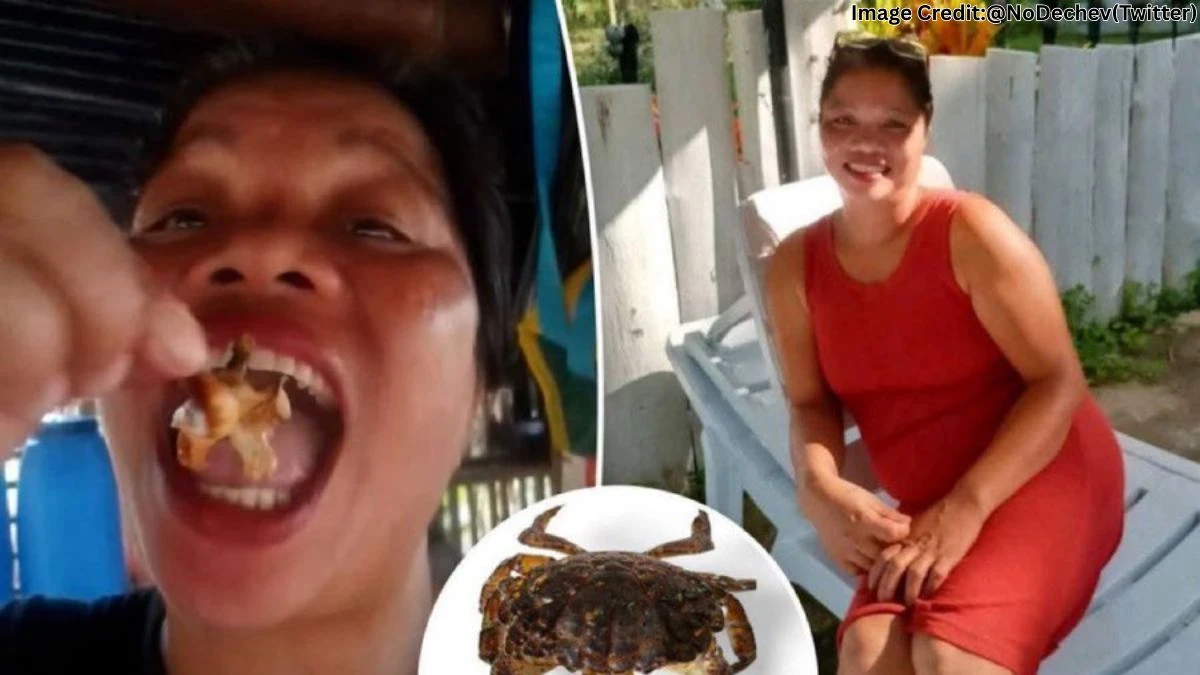
Emma Amit was a 51-year-old food vlogger from Palawan in the Philippines, known locally for adventurous seafood videos filmed right by the sea. Friends and neighbors describe her as someone who mixed everyday coastal life with the new world of social media, turning simple seafood boils and foraging trips into relaxed, chatty clips that felt more like hanging out in a friend’s kitchen than watching a polished studio show. She lived near Puerto Princesa with her family, part of a fishing community that spends its days around mangroves, shells, and tide schedules rather than bright studio lights.
@AfricanHub_ shared on X that a food influencer has reportedly died after consuming a highly toxic “devil crab” while filming content for social media.
@TaraBull shared on X that a food influencer reportedly died after eating a toxic “devil crab” during a viral stunt filmed for social media.
What Happened During the ‘Devil Crab’ Recording?
Emma reportedly died after eating a highly toxic “devil crab” (the reef crab Zosimus aeneus) while recording a food vlog at her coastal home. On February 4, she and her companions were seen gathering shellfish and crabs in a nearby mangrove area, then cooking them in coconut milk as part of a seafood spread she was filming for social media.

In the clip, she appeared cheerful, tasting the dish and talking her viewers through the flavor, texture, and the “fresh from the sea” feel of the meal – the kind of details her audience had come to expect. The video, shared a day earlier, had already drawn tens of thousands of views before the full story behind it emerged.
Reddit user IndicaOatmeal shared on r/Philippines that a Philippine food vlogger reportedly died after eating a poisonous “devil crab” while filming a viral clip.
How Did the Poisoning Unfold?
Emma fell seriously ill the day after eating the devil crab, showing classic symptoms of severe neurotoxin poisoning. Neighbors later recalled how her lips turned dark blue, she began convulsing, and she struggled to breathe as they rushed her first to a local clinic and then to a larger hospital.
Despite emergency care, she was pronounced dead on February 6, with doctors linking her death to respiratory failure caused by powerful, heat‑resistant toxins in the crab. One village official even said the toxin level in such crabs can be strong enough to kill several adults, which makes the choice to treat it like regular seafood especially tragic.
Why is the ‘Devil Crab’ So Dangerous?
The crab Emma ate, Zosimus aeneus, is known in the Indo‑Pacific as a dangerously toxic reef crab often nicknamed the “devil crab.” Its tissues can contain tetrodotoxin and saxitoxin – the same deadly neurotoxins found in pufferfish – which interfere with nerve signals and can cause paralysis, numbness, and respiratory arrest.
Crucially, these toxins are heat‑stable, so boiling, grilling, or cooking in rich coconut milk does nothing to make the crab safer to eat. Marine safety experts and fisheries officials are now repeating a very blunt warning: this species should never be handled or consumed at all, no matter how tempting its patterned shell looks in a cooking video.
How Have Authorities and the Community Reacted?
Local authorities in Palawan have opened an investigation and are monitoring Emma’s friends who joined the seafood meal for any similar symptoms. Officials who searched her home reportedly found the colorful devil crab shells in her trash, which helped confirm what she had eaten before falling ill. Community members and close friends have posted emotional tributes, calling her a supportive “older sister” figure who always had advice on what to cook or buy at the market, and who still had many unfulfilled plans.
For a small coastal neighborhood used to the risks of the sea, this particular loss feels especially hard because, as one village leader put it, people “should have been aware” of the danger – and yet, in the rush to make engaging content, that generational knowledge slipped.
What Does This Mean for Food Vlogging and ‘Extreme Eating’ Content?
Emma Amit’s death has become a sobering example in the ongoing debate over extreme food vlogging and risky “viral challenge”‑style content. Over the past year, authorities and health experts have repeatedly warned that chasing views by eating dangerous species – from toxic crabs to exotic animals prepared incorrectly – turns dinner into a high‑stakes gamble.
In the wake of this incident, marine and fisheries agencies in the Philippines and across the region are urging creators and viewers alike to respect local safety advisories, verify what they’re eating, and remember that no clip, no engagement spike, is worth a toxin that has no antidote.
For audiences, the story of who Emma Amit was – a coastal mother, a budding vlogger, someone trying to blend tradition with digital trends – now sits alongside a quiet reminder: some seafood is meant to be admired from a distance, not turned into content.
Disclaimer
Details about Emma Amit, her death, and the toxic “devil crab” are based on early media reports and official statements available at the time of writing. Information may change as investigations progress. Readers should treat this article as a developing story, not as final medical or legal confirmation.