
Top 5 Best Gaming Phones Under ₹20,000 in December 2025
The gaming phone market under ₹20,000 has become surprisingly competitive this month, with manufacturers finally understanding that budget gamers deserve decent hardware too. Gone are the days when "budget gaming phone" meant choppy frame rates and thermal throttling after 10 minutes of BGMI.
Before diving into specific models, it's worth understanding what actually matters for mobile gaming now. The minimum viable spec has shifted. 120Hz displays are standard, not premium. MediaTek's Dimensity chips have genuinely closed the gap with Snapdragon in the mid-range (something that seemed impossible two years ago). And thermal management has improved across the board, though some phones still turn into pocket warmers during extended Genshin Impact sessions.
Battery capacity matters more than ever, especially with games pushing higher graphics settings. Anything below 5000mAh feels inadequate in December 2025. Fast charging has become the differentiator waiting 90 minutes for a full charge feels archaic when competitors offer 67W or higher.
5. Realme P3 Pro 5G – The Value Pick

The most affordable option here, and it shows but not always in bad ways. The Snapdragon 6 Gen 1 represents older architecture but still delivers competent gaming performance for less demanding titles. This phone makes sense for casual gamers who occasionally play BGMI or COD Mobile but aren't chasing maximum settings.
Current Price: ₹18,999 (APX)
Camera Setup:
-
50MP primary (Samsung ISOCELL JN5)
-
8MP ultra-wide
-
16MP front camera
The minimalist camera setup actually works in its favor—focus on doing two cameras decently rather than including useless macro/depth sensors. Results are acceptable in daylight, predictably mediocre in low light.
Real-World Performance:
BGMI requires medium settings for stable 60fps, high settings cause occasional stutters. Genshin Impact barely runs on low-medium settings, averaging 35-40fps. Not ideal for serious Genshin players. The phone gets noticeably warm during extended sessions but never uncomfortably hot. The 5000mAh battery provides 5-6 hours of gaming. The 67W SuperVOOC charging reaches full capacity in about 55 minutes.
Features Worth Noting:
-
6.67-inch AMOLED with 120Hz
-
In-display fingerprint sensor
-
Realme GT Mode 3.0
-
3.5mm headphone jack
Best for: Casual gamers on tight budgets prioritizing value over peak performance
Pros:
-
Most affordable option
-
Still offers AMOLED display
-
Fast charging
-
Adequate for popular mobile games at medium settings
Cons:
-
Older generation chipset shows age
-
Gets warmer than competitors
-
Limited future-proofing for demanding games
4. Moto G67 Power – The Dark Horse
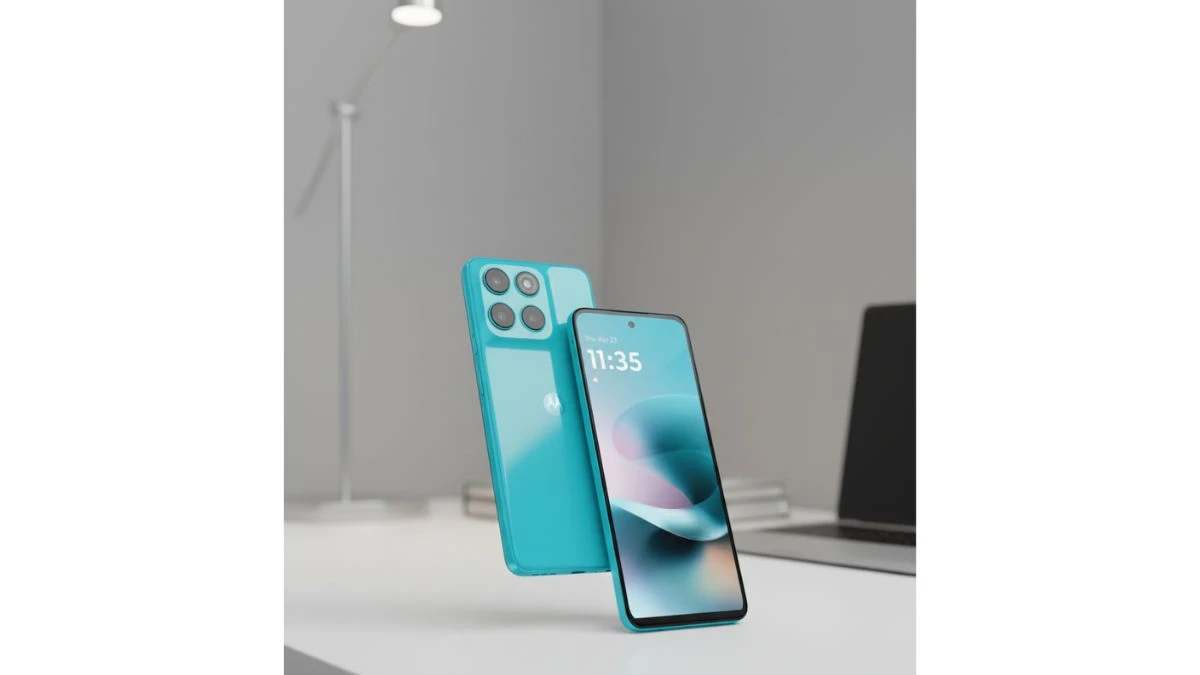
Motorola's near-stock Android experience remains its biggest selling point. The MediaTek Dimensity 7025 provides respectable gaming performance, and the 6000mAh battery matches the Realme P4x's endurance. What makes this interesting is Motorola's Moto Gametime feature actually useful gaming-focused software enhancements rather than gimmicks.
Current Price: ₹16,999 (APX)
Camera Setup:
-
50MP primary (OmniVision OV50A)
-
8MP ultra-wide
-
2MP depth sensor
-
16MP selfie camera
Camera performance lands firmly in "good enough" territory. Photos lack the pop of Samsung's processing but maintain natural colors. Low-light performance struggles with noise.
Real-World Performance:
BGMI handles high settings comfortably with consistent 58-60fps. Genshin Impact requires tweaking—medium settings with some compromises deliver playable frame rates around 45fps. The phone maintains cooler temperatures than expected, likely due to effective heat dissipation design. Gaming battery life reaches 7-8 hours easily. The 68W TurboPower charging (fastest in this comparison) reaches 50% in about 20 minutes and full charge in under 45 minutes.
Features Worth Noting:
-
6.5-inch pOLED display with 144Hz (highest refresh rate here)
-
Clean, bloat-free Android 14
-
Dolby Atmos stereo speakers
-
Moto Gestures (genuinely useful shortcuts)
Best for: Gamers wanting clean software and fastest charging speeds
Pros:
-
Fastest charging in comparison
-
144Hz display (overkill but appreciated)
-
Clean Android experience
-
Excellent thermal management
Cons:
-
Lower peak brightness than AMOLED competitors
-
Camera processing needs refinement
-
Less aggressive pricing than Poco/Realme
3. Samsung Galaxy F36 5G – The Reliable All-Rounder
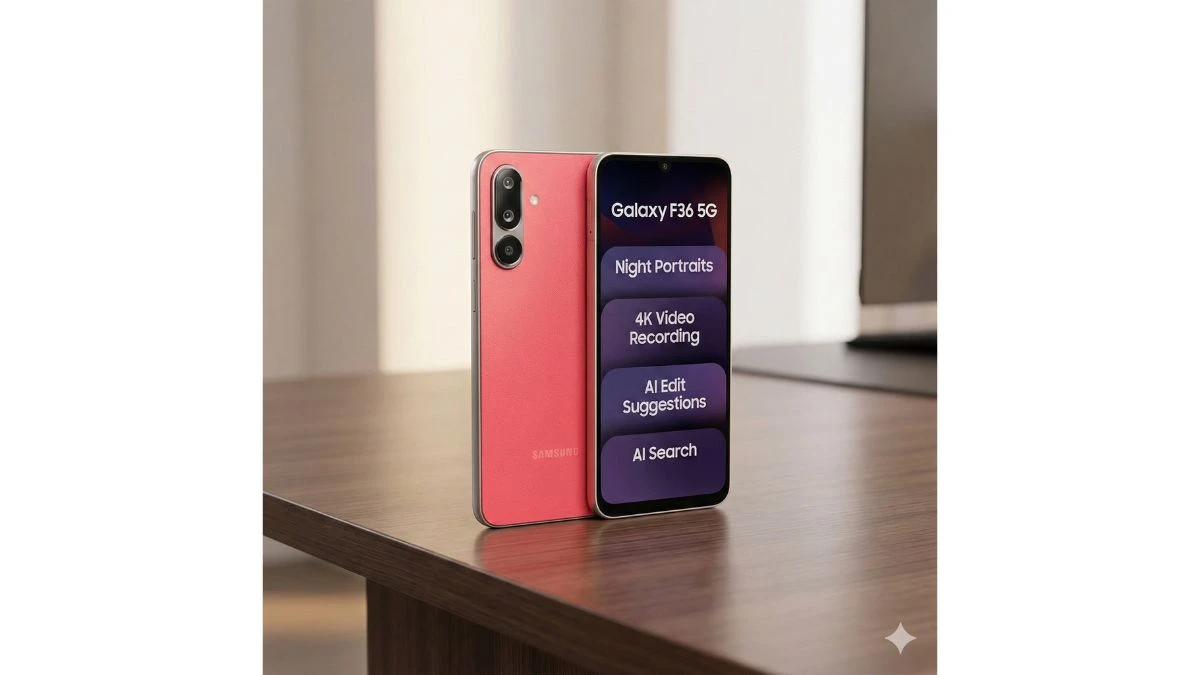
Samsung brings its typical polish to the budget gaming segment. The Exynos 1380 chipset won't break any speed records, but it delivers consistent, predictable performance. OneUI 6.1 feels more refined than most competitor skins, though the software update promise (4 years of OS updates, 5 years security) really sets this apart.
Current Price: ₹18,999 (APX)
Camera Setup:
-
50MP primary (Samsung ISOCELL GN5)
-
8MP ultra-wide
-
5MP macro
-
13MP front camera
Samsung's image processing shows here photos look better than the hardware suggests they should. The camera app offers more manual controls than competitors, appealing to photography enthusiasts.
Real-World Performance:
Gaming performance sits comfortably in the middle tier. BGMI runs at medium-high settings with stable 55-60fps. Genshin Impact requires medium settings and still experiences occasional stutters in demanding areas. Thermal management impresses the phone stays cooler than most rivals during extended play. The 5000mAh battery provides about 6 hours of gaming, with 25W charging taking 90 minutes (frustratingly slow compared to competitors).
Features Worth Noting:
-
6.6-inch Super AMOLED with 120Hz
-
Gorilla Glass Victus+ protection
-
Knox security platform
-
OneUI's excellent customization options
Best for: Users valuing software support and ecosystem integration over raw gaming specs
Pros:
-
Best software update promise in segment
-
Gorgeous AMOLED display
-
Reliable, consistent performance
-
Strong build quality
Cons:
-
Exynos chipset lags behind MediaTek/Snapdragon alternatives
-
Slowest charging in this comparison
-
Pricier than competitors with similar specs.
2. Realme P4x – The Battery Beast
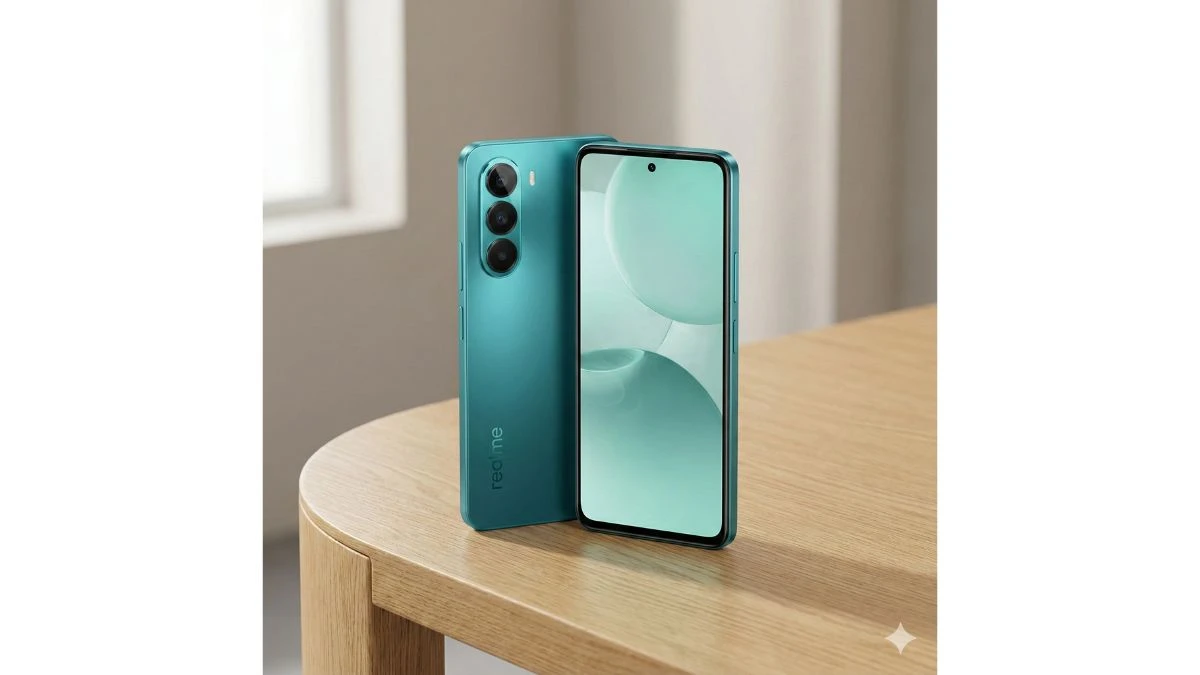
This phone's 6000mAh battery is genuinely ridiculous in the best way possible. The Snapdragon 7s Gen 2 provides solid gaming performance, though slightly behind the Poco X7 in synthetic benchmarks. What it loses in raw power, it gains in endurance. This thing just refuses to die.
Current Price:₹15,899(APX)
Camera Setup:
-
50MP primary (Sony IMX882)
-
8MP ultra-wide
-
2MP macro (basically useless, as always)
-
16MP selfie camera
The primary camera actually impresses in good lighting, producing sharp images with accurate colors. The ultra-wide suffers from edge distortion and softer details.
Real-World Performance:
BGMI runs smoothly at high settings with occasional frame pacing issues during intense firefights. Genshin Impact requires medium settings for consistent 45-50fps. The phone gets warm but never uncomfortable during extended sessions. Battery life during gaming averages 8-9 hours—absolutely exceptional for this segment. The 45W charging takes about 70 minutes for a full charge (slower than competitors, but understandable given the massive battery).
Features Worth Noting:
-
6.72-inch IPS LCD with 120Hz (not AMOLED, but surprisingly good)
-
IP54 splash resistance
-
3.5mm headphone jack (remember those?)
-
Realme UI 5.0 based on Android 14
Best for: Marathon gaming sessions without charging anxiety
Pros:
-
Outstanding battery life
-
Competent gaming performance
-
Clean software experience (less bloat than MIUI)
-
Retains headphone jack
Cons:
-
IPS LCD instead of AMOLED (colors less punchy)
-
Slower charging than competitors
-
Heavier at 199g due to large battery.
1. Poco X7 5G – The Performance Champion
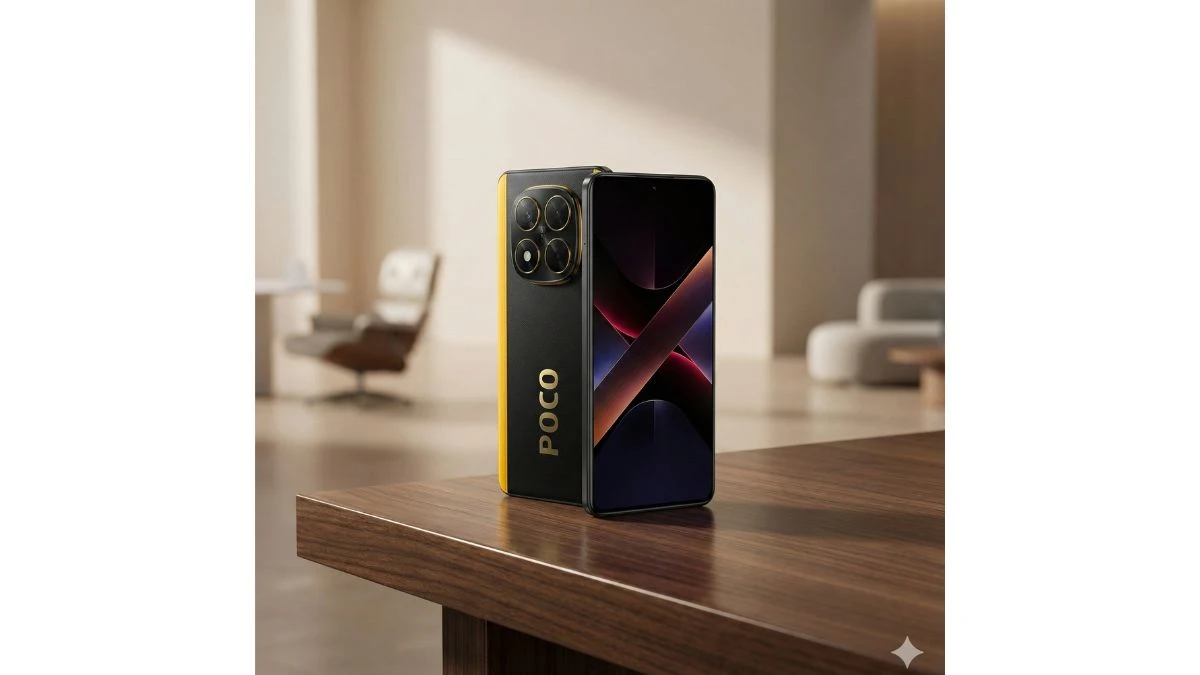
The Poco X7 5G dominates this price segment with its MediaTek Dimensity 7300-Ultra chipset, which honestly punches way above its weight class. During testing with popular titles, it maintained consistent 60fps in BGMI on high settings and handled Genshin Impact at medium settings without significant drops. The 6.67-inch AMOLED display with 120Hz refresh rate makes everything feel smooth—scrolling through menus, casual gaming, even just browsing Reddit.
Current Price: ₹17,999(APX)
Camera Setup:
-
50MP primary (Samsung ISOCELL JN1)
-
8MP ultra-wide
-
20MP front camera
The cameras are adequate. Not spectacular, not terrible—just adequate. Daylight shots look decent enough for Instagram, night mode struggles a bit with detail preservation.
Real-World Performance:
After 45 minutes of COD Mobile at high graphics, the phone reached 42°C (warm but manageable). Frame drops occurred only during particularly chaotic moments with lots of particle effects. The 5500mAh battery typically provides 6-7 hours of gaming, stretching to a full day with mixed usage. The 67W fast charging fills the tank in about 50 minutes.
Features Worth Noting:
-
Dual stereo speakers (surprisingly loud)
-
LiquidCool 3.0 technology (fancy name for vapor chamber cooling)
-
Game Turbo mode with performance graphs
-
Side-mounted fingerprint sensor
Best for: Gamers prioritizing raw performance and display quality over camera versatility
Pros:
-
Excellent processor for the price
-
Vibrant AMOLED screen
-
Fast charging that actually feels fast
-
Good thermal management
Cons:
-
MIUI can feel bloated (comes with pre-installed apps)
-
Average camera system
-
Plastic frame feels less premium than it should
Disclaimer
Prices and availability of smartphones under ₹20,000 are approximate and may vary by store, offers, or location. Performance experiences like gaming frame rates depend on game settings and software updates. Always check the latest specs and verified reviews before purchase.